
Alaska House passes bill limiting AI sexual imagery and child social media use
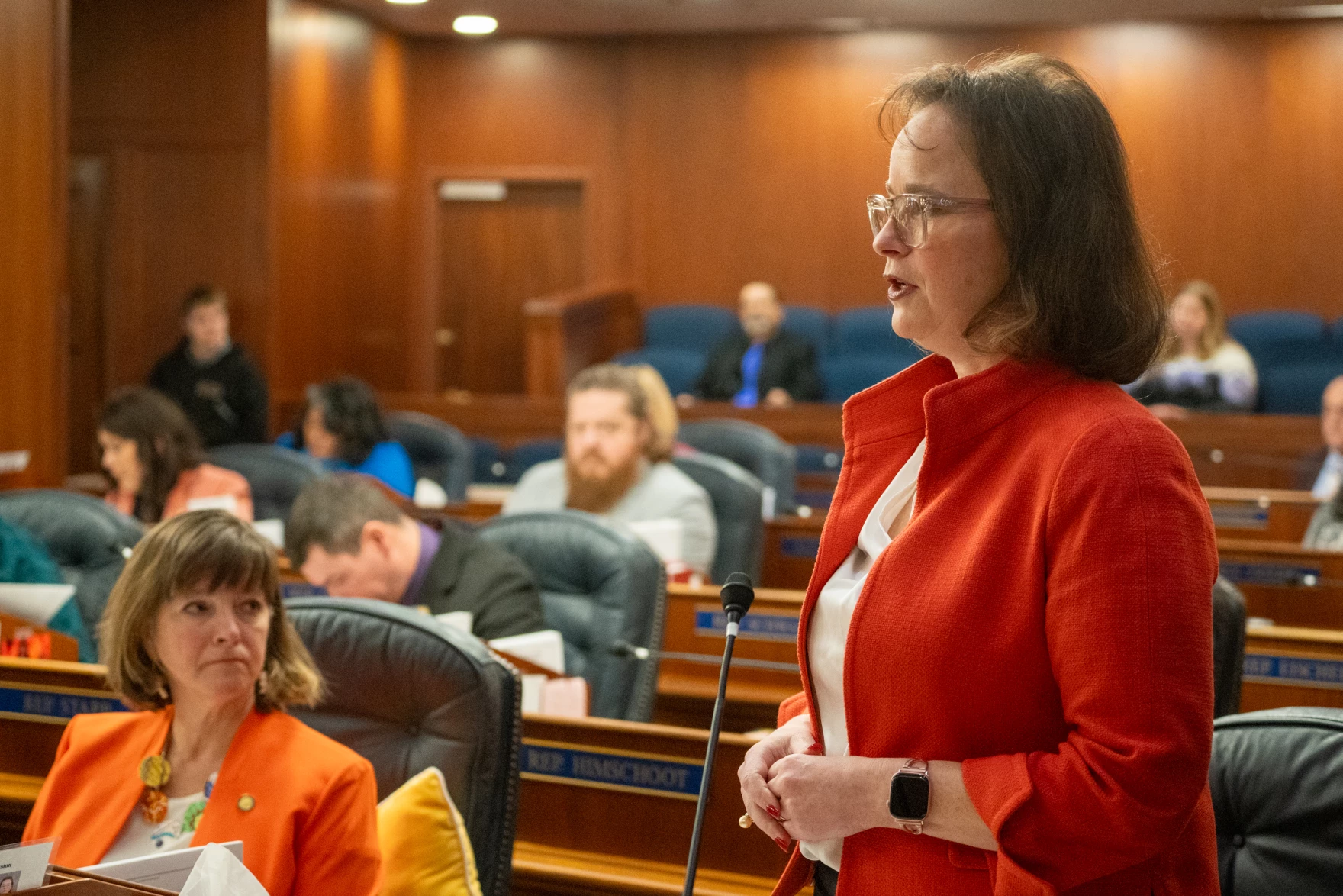
The Alaska House of Representatives unanimously passed House Bill 47 on February 27, 2026. The bill aims to address the growing risks from artificial intelligence and social media, especially regarding the exploitation of minors. It introduces new criminal penalties for AI-generated sexual imagery and imposes strict rules on how children can use social media platforms.
The bill originally focused on closing a legal loophole in Alaska law. Existing laws required proof that a real child was harmed in cases involving child sexual abuse material. Because AI can generate realistic but entirely synthetic images, lawmakers feared offenders could evade prosecution. The new legislation therefore criminalizes the creation, possession, or distribution of AI-generated sexual images depicting minors, treating them the same as real child sexual abuse material.
During debate, lawmakers expanded the bill significantly. Amendments added rules targeting AI-generated sexual deepfakes of adults, making it illegal to create explicit synthetic images of real people without consent. Another provision makes it a misdemeanor to harass or threaten someone using a forged digital likeness, addressing the growing problem of deepfake revenge pornography.
The legislation also proposes liability for AI companies if their systems are used to produce child sexual abuse material, with potential penalties reaching up to $1 million per violation. Supporters say this would pressure technology companies to build safeguards into their systems.
A major and controversial addition involves strict limits on children’s social media use. Under the bill, users under 18 would need parental permission to create social media accounts, and parents would be given access to their children’s accounts. The measure would also impose a default social media curfew starting at 10:30 p.m. for minors.
In addition, the bill would prohibit platforms from targeting advertisements to minors, using algorithms to personalize their content feeds, or designing features that encourage addictive use of social media. Supporters argue these restrictions protect children from exploitation, manipulation, and harmful online experiences.
However, some lawmakers raised concerns about privacy, enforceability, and potential conflicts with free-speech protections. Critics questioned how platforms could verify ages or parental relationships and warned that teenagers might bypass restrictions using tools like VPNs. Others feared the social media provisions could complicate the bill’s chances of passing the state Senate.
Despite these concerns, the bill passed the House with broad bipartisan support and now moves to the Alaska Senate, where lawmakers may modify the provisions before deciding whether to approve it.