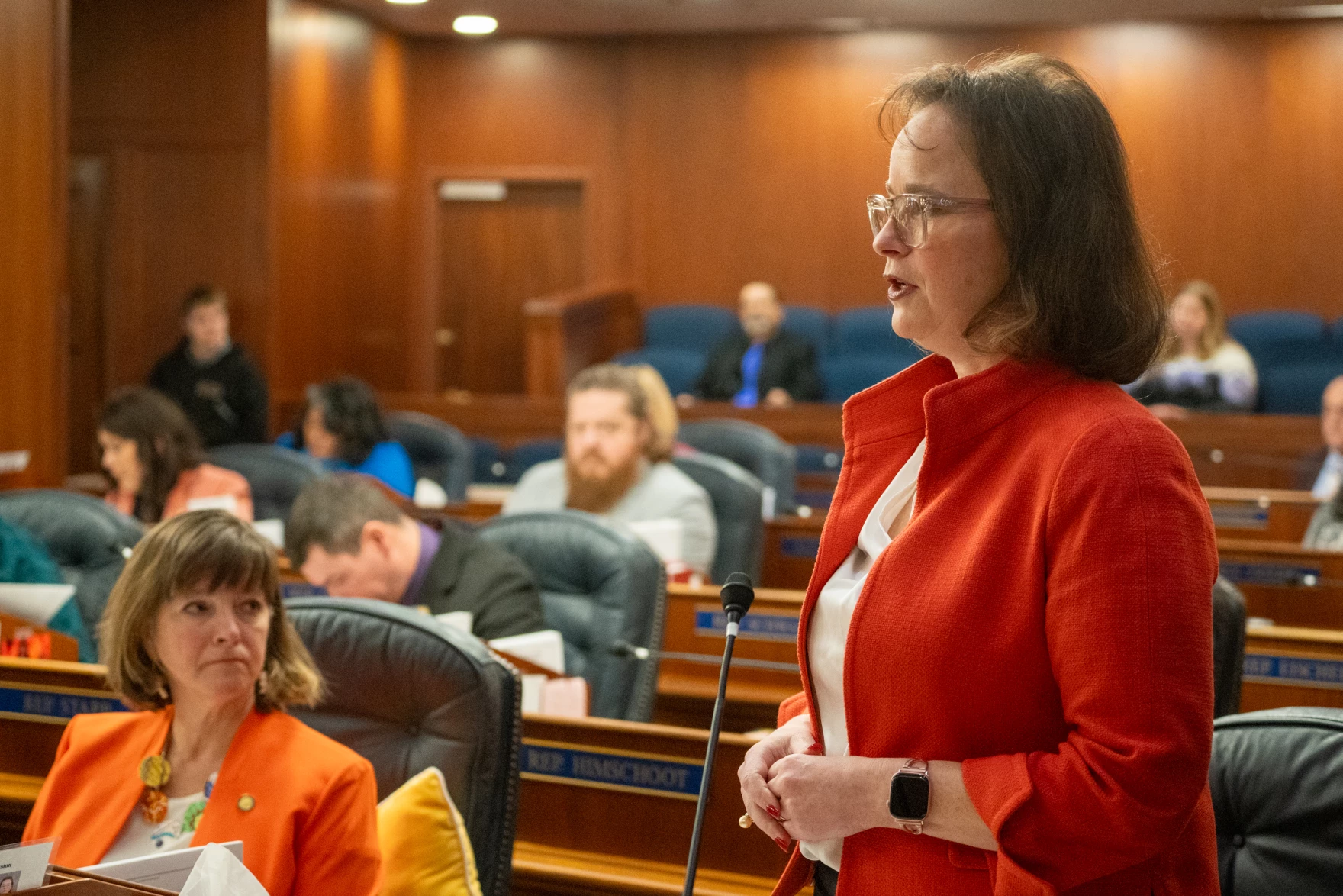

Rules to prevent revenge porn, deepfakes could be coming to Arizona
The article discusses a proposed Arizona law aimed at strengthening protections against “revenge porn,” including images created using artificial intelligence. Lawmakers argue that current laws have a loophole because they mainly cover real photographs or videos shared without consent, but not manipulated or AI-generated images.
Arizona already criminalizes the distribution of explicit images of someone without their permission when the intent is to harm, threaten, or harass them. This crime is commonly known as revenge porn and can be prosecuted as a felony under state law.
However, legislators say technological tools such as AI generators and photo-editing software make it possible to create realistic nude or sexual images of a person even if such images never existed. Because the current law focuses on images that were originally real and private, perpetrators might avoid punishment when the images are fabricated.
The proposed bill seeks to close this legal gap by making it illegal to create or distribute explicit images of someone without consent even if the content is digitally altered or entirely synthetic. Lawmakers supporting the bill say it would better protect victims whose likeness is used in humiliating or abusive ways online.
Some legislators, however, raised concerns about the scope of the proposal. Critics worry that broad wording could lead to unintended felony charges in situations where the expectation of privacy is unclear. They argue lawmakers must carefully define the limits of the law to avoid punishing legitimate expression or satire.
The debate reflects a broader national effort to update laws as AI tools increasingly enable realistic fake sexual imagery, which can spread quickly online and cause significant reputational and emotional harm to victims.