
Deepfakes are testing the limits of IP law
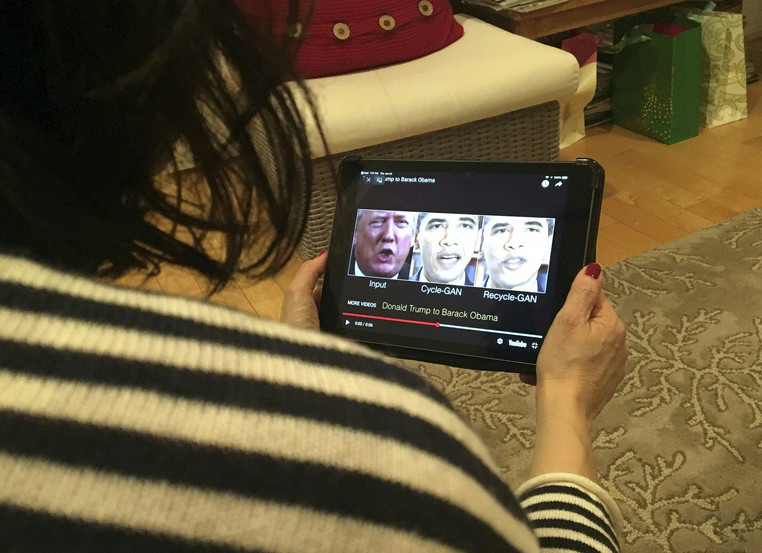
The article examines how rapidly advancing deepfake technology is exposing major weaknesses in intellectual property law, especially around voice, image, and likeness rights. It argues that existing copyright and trademark frameworks were not designed for generative AI systems capable of cloning people’s identities with near perfect realism.
A central issue is that deepfakes often imitate a person’s appearance or voice without directly copying copyrighted material. Because of this, victims may struggle to prove traditional copyright infringement even when the content is clearly deceptive or harmful. Celebrities, politicians, journalists, and ordinary citizens are increasingly affected.
The article discusses how courts and lawmakers are now testing whether “right of publicity” laws, which protect someone’s commercial identity, can be extended to AI generated replicas. However, these protections vary widely across U.S. states and are often inconsistent. Some laws focus only on commercial exploitation, while others do not clearly address AI generated content.
Another challenge involves balancing regulation with free speech protections. Deepfakes can be malicious, but they can also be satire, parody, entertainment, or artistic expression. Legal systems therefore face difficulty distinguishing harmful deception from protected expression. Several state deepfake laws have already faced constitutional challenges for being too broad.
The article also highlights pressure on tech platforms and AI companies. Governments increasingly expect platforms to detect, label, or remove deceptive synthetic media. At the same time, companies developing generative AI tools may face liability if their systems enable misuse or were trained on copyrighted content without permission.
The conclusion is that deepfakes are forcing policymakers to rethink intellectual property law entirely. Existing legal categories such as copyright, privacy, defamation, and publicity rights only partially address the problem. Future regulation will likely combine IP law, AI specific rules, transparency requirements, and platform accountability.